Consulting conversations
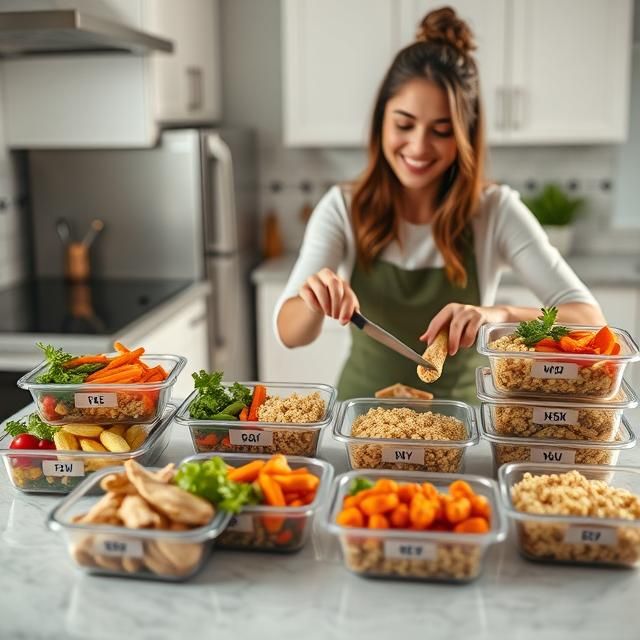
Structured dialogue about who eats when, how often you shop, and what level of repetition feels fine. Outcomes are annotated outlines and shopping sketches—not clinical meal prescriptions.
Auckland studio · NZ-wide reach
Sharvexxovimex offers general informational guidance for weekly household menu planning: how to sequence shops, label evenings honestly, and keep slack where life interrupts. We stay in the lane of organisation and education, not medical nutrition, dietetic advice, or promises about any outcome.
Informational website only · Not a healthcare or dietetic service · Based in Auckland, New Zealand
Studio manifesto
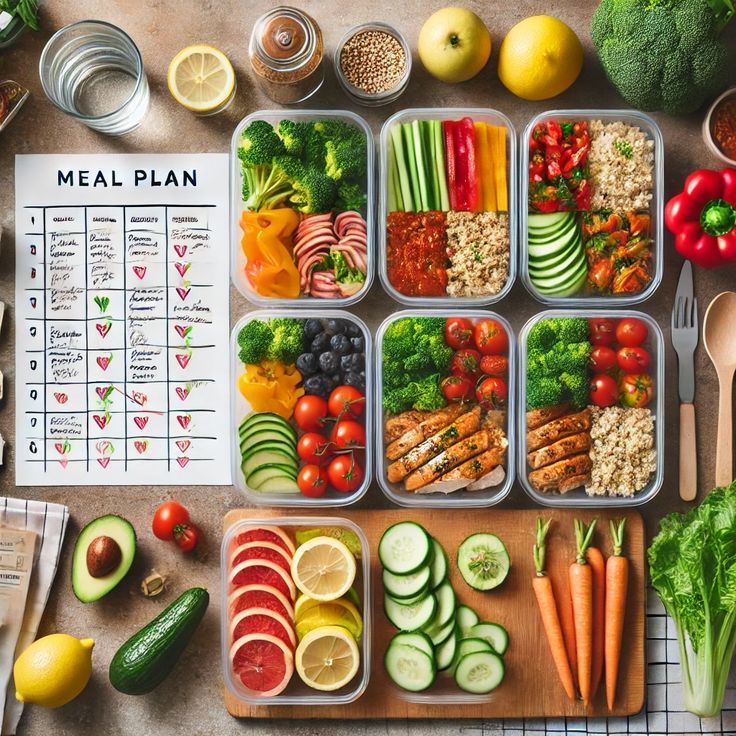
Most friction comes from plans that assume every night is calm. We begin with the uneven texture of your week: early finishes, car-pool evenings, nights when someone eats at work. That honesty lets the menu carry you instead of shaming you.
Everything published here is informational. We do not position templates as interventions for health conditions. If you need therapeutic nutrition, a registered professional in your area is the right channel.
What arrives in your inbox
After a consult or workbook purchase, you typically receive organising prompts, shopping cues, and occasionally short audio walk-throughs. None of it replaces your own judgment about allergens, cultural foods, or budgets.
We rotate examples so they stay fresh: tuck-shop nights, freezer-first Wednesdays, markets that close early—the mundane details that make planning feel human.
Operating numbers
Figures below are descriptive of how we usually sketch a household sheet. They are not targets or scores.
How we work with you
Each option below stays within general planning education. Pick what fits your season; you can combine them.
Structured dialogue about who eats when, how often you shop, and what level of repetition feels fine. Outcomes are annotated outlines and shopping sketches—not clinical meal prescriptions.
Non-medical worksheets that mirror constraints you state: early dinners, kosher or halal needs, budget ceilings, neighbourhood store variety. You verify suitability for everyone at your table.
Time-bound challenges that practise rotation, batching, and pantry-clearing without competitive claims. Participants share process screenshots when cohort guidelines allow.
We do not diagnose, treat, or prevent any disease or medical condition. This site is not a substitute for professional healthcare advice.
Inside the sequence
You can repeat these beats every Sunday or whichever quiet pocket you actually have.
Mark travel, late meetings, school events. If Tuesday is unreliable, label it that way before choosing meals.
Select dishes that yield intentional leftovers or components for another plate.
Leave at least one slot for cupboard creativity or takeaway without guilt.
Note what felt heavy mid-week; adjust next week's density instead of chasing perfection.
Voice of the studio
A menu that pretends every night is ideal becomes noise. We write for households that still deserve structure when the train is late, the daycare rings, or the avocados were firmer than hoped.
That posture informs every guide, workshop segment, and template footnote.
Ask a planning questionIllustrative snapshot
Rows above are interchangeable fiction. They do not describe requirements for any reader or imply nutritional adequacy.
Materials & formats
Physical sheets for people who think better on paper: freezer maps, fortnightly staples, and gentle colour keys for protein or texture—not for tracking medical data.
Short voice memos walking you through one shopping trip that feeds multiple archetype nights.
Optional screenshare sessions where structure—not plating aesthetics—is the focus.
When you lack an ingredient, ladders show texture-safe pivots without pretending every swap is identical.
Send logistics-first notes through the contact form: who eats, when shops happen, and what already works. We answer with clarifying questions before proposing any layout.
Early conversations
No. We stay in planning education. Registered dietitians and other clinicians oversee therapeutic diets.
Yes, as scheduling facts you provide. We do not evaluate child growth or nutrient adequacy for individuals.
We discuss price bands and store mixes you already use. Suggestions remain general, not personalised financial advice.
Most enquiries receive an acknowledgement within two New Zealand business days, longer around public holidays.
Yes. We align worksheets to your internal comms rhythm and avoid collecting health data from staff.
Where we sit
Mail and phone details support scheduling and paperwork. Walk-ins remain by appointment so the team can prepare packets.